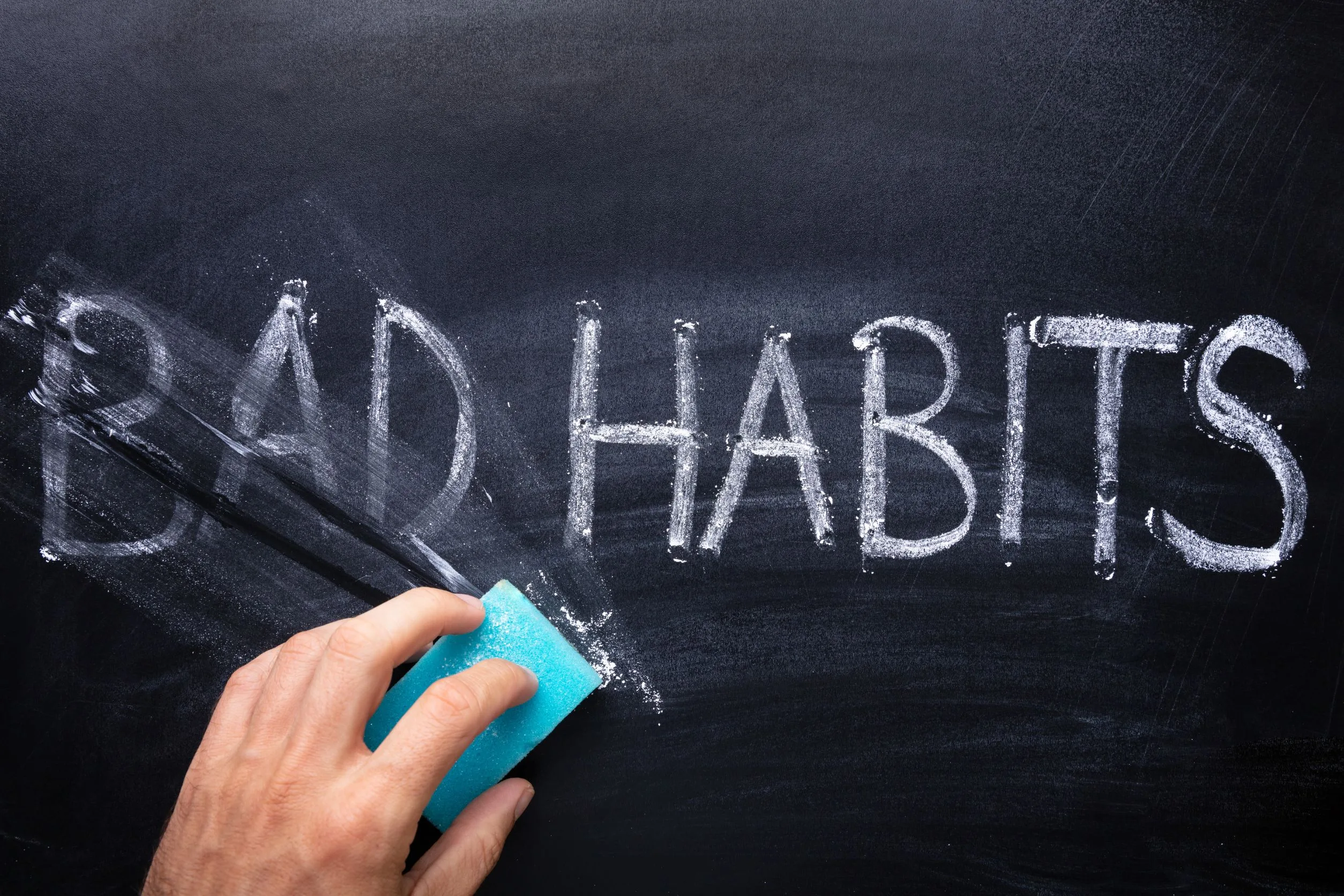

Breaking Habits: How Psychology Explains Why Change Feels So Hard by Richard Grossi, MBA
Many people believe that changing habits is a matter of discipline and personal strength. This idea sounds logical, yet it often leads to frustration and repeated failure. Psychology shows that habits are not choices we make each time. They are automatic patterns shaped by experience, emotion and environment. When a habit is repeated often enough, the brain begins to run it on “autopilot” to save mental energy. This is useful for simple routines but it becomes a problem when the routine harms your goals or wellbeing.
When behaviour does not change, it is rarely because someone is incapable or unmotivated. It is more often because the system around the behaviour stays the same. That system includes triggers, rewards, stress levels, social cues and even the time of day. If the triggers keep appearing and the reward still feels soothing or satisfying, the brain keeps choosing the same pattern. Understanding this system is the first step toward meaningful change. This is also why psychology plays such a central role in effective education and skills development. When you understand how people learn, cope and repeat patterns, you can build strategies that work in real life, not only in theory.
How Habits, Emotions and Identity Work Together
Habits follow a predictable psychological pattern that operates below conscious awareness. Each habit begins with a cue, which creates a craving that drives a response. The response is repeated because it delivers a reward that the brain values. The cue can be a place, a time, a feeling, a person or even a thought. The craving is not always for the action itself but for the change in feeling that the action brings. The reward might be comfort, distraction, a sense of control or a quick burst of pleasure.
This loop explains why willpower alone rarely works over time. The brain is designed to conserve effort, not to fight established routines. Willpower also becomes weaker when you are tired, stressed, hungry or overwhelmed, which is why habits often return during difficult weeks. Change becomes possible when the loop is interrupted and redesigned. Unhelpful habits weaken when cues are removed or effort is increased. Helpful habits grow when they are easy to begin and rewarding to complete. Over time, the brain starts to prefer the new pattern because it becomes the easiest path to a reward.
These ideas are often linked to Atomic Habits but habits are not only mechanical processes. Emotions play a powerful role in maintaining them. Procrastination, for example, is usually a response to emotional discomfort. People delay tasks to avoid feelings such as fear, uncertainty or self-doubt. The task might feel linked to judgement, possible failure or exposure to others. In that moment, avoidance brings short-term relief and that relief becomes the reward that strengthens the procrastination habit. The problem is that short-term relief often creates long-term stress, which then increases the urge to avoid again.
When avoidance is misunderstood as laziness, the real issue remains hidden. Psychology encourages a shift from judgement to curiosity. Instead of asking why action does not happen, it becomes more useful to ask what feeling is being avoided. This question matters because it points to a practical solution. If the feeling is fear, you might need smaller steps and safer practice. If the feeling is shame, you might need support and a kinder internal voice. This emotional insight naturally leads into questions of identity and self-belief, because the story you tell yourself often shapes what you attempt next.
Confidence is often treated as a requirement for action. In reality, confidence develops after repeated action has taken place. People usually feel confident when they have evidence that they can cope, even if things go wrong. Imposter syndrome persists when people wait to feel ready before acting. It weakens when individuals gather evidence through doing the work. This evidence can be simple and concrete, such as finishing a task, practising a skill or solving a problem without help. Each small action becomes proof that the “fraud” story is not fully true and that proof slowly changes how you see yourself.
Designing Environments That Support Learning and Change
Even when habits, emotions and identity are understood, change can still fail. This often happens because the environment continues to reinforce old behaviour. Motivation fluctuates but surroundings influence behaviour consistently. Your environment includes your physical space, your phone, your apps, your schedule and the people you spend time with. If your surroundings make the old habit quick and easy, the brain will choose it when energy is low. If your surroundings make the new habit awkward and difficult, even strong intentions can fade.
Psychology shows that small environmental adjustments produce lasting results. What is visible and accessible becomes the default choice. This is why people snack more when food is on the counter and why they read less when the book is hidden away. Distractions increase cognitive load and reduce self-control. Cognitive load means how much mental effort your brain is using at one time and when it is high you are more likely to choose the easiest option. Supportive spaces reduce friction and make follow-through more likely, because they reduce the number of decisions you must make.
A dedicated study area, clear routines and reduced digital noise all support focus. These design choices remove the need for constant self-control. They allow behaviour to align naturally with long-term goals. You can make desired actions easier by preparing in advance, such as setting out what you need before you start. You can make unwanted actions harder by adding small barriers, such as logging out, moving your phone away or turning off notifications. These changes may seem minor, yet they work because they shape what happens in the moments when you are tired, distracted or stressed, which are often the moments that decide your habits.
When you understand your habit system and start redesigning it with intention, you stop fighting yourself and start building yourself and that is how your year changes, becoming the catalyst for a changed life.
Related Articles

Where Can a Human Resources Course Take Your Career?
June 23, 2026

What Employers Look For When Hiring Higher Certificate Graduates In South Africa
June 19, 2026

Why study a Facilities Management short course in South Africa?
May 31, 2026

How an Electrical Engineering short course can help you understand the systems used every day
May 31, 2026

What Makes a Confident Educator in South Africa?
May 27, 2026

How entrepreneurs in South Africa are using AI to save time and scale smarter
May 21, 2026
How do you enrol
Enrol in 10 minutes or less
Interested in one of our programs? Fill out your contact details below.
Our advisors will call you back and enrol you or answer any questions.
Once enrolled, you'll get access to your programme within 48hours.
Chat to one of our enrolment advisors
Our Enrolment Advisors will guide you through everything from course choice to enrolment.
"*" indicates required fields