
Providing care in a home environment is both deeply meaningful and highly responsible. Home-based caregivers support individuals who may be elderly, recovering from illness, living with disabilities, or managing chronic conditions, often helping them maintain dignity and independence within familiar surroundings. As demand for home-based care continues to grow across South Africa, many individuals are exploring a caregiver course as a way to build practical skills, improve confidence, and provide safe, respectful support.
Unlike hospital-based care, home caregiving requires adaptability, emotional sensitivity, and the ability to balance compassion with professionalism. Caregivers often become trusted companions while also managing personal care tasks, monitoring health changes, and communicating with families or healthcare professionals. This combination of emotional connection and practical responsibility makes structured training particularly valuable.
A home caregiver short course introduces learners to essential caregiving principles, including personal hygiene assistance, nutrition support, mobility guidance, infection control, communication skills, and emergency response. Equally important, learners develop an understanding of professional boundaries and self-care, which help sustain long-term effectiveness in caregiving roles. The curriculum highlights the importance of combining compassionate support with structured care practices that protect both the caregiver and the client.
This article explores the role of a home caregiver, core skills required for effective support, safety considerations within home-based care, the importance of boundaries and burnout prevention, and potential career directions for individuals entering this field.

Role
Supporting independence and dignity
The primary role of a caregiver in home-based care is to support individuals in maintaining independence while ensuring safety and comfort. Caregivers assist with daily activities such as hygiene, mobility, meal preparation, and medication reminders, always aiming to preserve the client’s dignity and personal preferences. Respect for privacy, cultural values, and personal routines plays a significant role in building trust between caregiver and client.
Monitoring health and wellbeing
Caregivers often act as observers who notice subtle changes in a client’s condition. Monitoring appetite, mobility, mood, and physical symptoms allows caregivers to communicate concerns promptly to family members or healthcare professionals. This observational role contributes to early intervention and improved overall care.
Providing emotional companionship
Beyond practical assistance, caregivers frequently provide emotional support and companionship. Clients receiving home-based care may experience isolation, anxiety, or frustration related to health changes. Caregivers who listen actively and offer reassurance can significantly improve emotional wellbeing and quality of life.
Communicating with families and care teams
Effective caregiving involves collaboration. Caregivers often communicate with family members, healthcare professionals, and support networks to ensure consistency and continuity of care. Clear, respectful communication helps manage expectations and strengthens coordinated support for the client.
Core skills
Personal care and hygiene support
Assisting with bathing, grooming, toileting, and dressing requires both technical skill and sensitivity. Caregivers must ensure comfort while maintaining privacy and dignity. Learning safe techniques for hygiene support also helps prevent skin complications and promotes overall health.
Encouraging client participation in personal care activities where possible supports independence and self-esteem.
Nutrition and meal assistance
Nutrition plays an essential role in recovery and long-term wellbeing. Caregivers may assist with meal preparation, feeding support, and monitoring food and fluid intake. Understanding dietary needs linked to health conditions helps caregivers provide appropriate support while recognising signs of dehydration or malnutrition.
Safe feeding techniques and awareness of swallowing difficulties are particularly important when supporting elderly or medically vulnerable clients.
Mobility and positioning
Helping clients move safely is a critical skill that protects both the caregiver and the individual receiving care. Caregivers learn techniques for transfers, positioning, and light exercise that support circulation, comfort, and injury prevention. Knowledge of assistive devices and safe lifting practices reduces the risk of strain and accidents.
Mobility support also contributes to emotional wellbeing by promoting independence and reducing feelings of helplessness.
Monitoring vital signs and changes
Caregivers benefit from understanding how to observe breathing patterns, temperature, and other basic indicators of health. Even without performing advanced medical tasks, recognising warning signs allows caregivers to respond appropriately and seek assistance when needed. Accurate documentation and clear reporting strengthen continuity of care.
Infection control and home hygiene
Maintaining a clean and safe environment is essential in home-based care. Caregivers apply infection prevention practices such as proper hand hygiene, safe waste disposal, and cleaning routines that reduce health risks. Awareness of potential hazards within the home environment further supports client safety.
Communication and emotional support
Effective caregiving depends heavily on communication. Active listening, empathy, and respectful interaction help caregivers understand client needs while fostering trust. Emotional support skills also enable caregivers to respond sensitively to loneliness, anxiety, or frustration experienced by clients.
Safety
Preventing accidents in the home
Homes may contain hazards that increase the risk of falls or injuries, particularly for clients with mobility challenges. Caregivers play a role in identifying risks such as clutter, poor lighting, or unsafe bathroom conditions and making practical adjustments that enhance safety.
Emergency response readiness
Caregivers must be prepared to respond calmly during emergencies such as falls, breathing difficulties, or sudden illness. Basic first aid knowledge and awareness of when to seek professional assistance can make a significant difference in protecting client wellbeing.
Remaining calm and reassuring during emergencies also helps reduce anxiety for both clients and family members.
Protecting caregiver health and safety
Safety extends to the caregiver as well. Using proper lifting techniques, maintaining hygiene practices, and recognising personal physical limits help prevent injury and illness. Caregivers who prioritise their own safety are better positioned to provide consistent, high-quality care.
Documentation and communication for safety
Accurate record-keeping and clear communication with families or healthcare professionals contribute to safer care environments. Documenting observations and changes helps ensure that important information is not overlooked and supports informed decision-making.

Burnout and boundaries
Recognising emotional fatigue
Caregiving can be emotionally demanding, particularly when supporting clients with chronic conditions or complex needs. Emotional fatigue may develop gradually, leading to stress, reduced motivation, and difficulty maintaining empathy. Recognising early signs of burnout allows caregivers to take proactive steps toward self-care.
Establishing professional boundaries
Professional boundaries protect both the caregiver and the client. While emotional connection is important, maintaining clear limits regarding responsibilities, availability, and decision-making prevents confusion and dependency. Boundaries also support respectful relationships and ethical care practices.
Managing stress and maintaining wellbeing
Self-care strategies such as rest, social support, and personal time help caregivers maintain emotional resilience. Caregivers who prioritise their own wellbeing are more capable of providing patient, attentive support over the long term.
Confidentiality and ethical conduct
Maintaining confidentiality and respecting client privacy are essential aspects of professional caregiving. Ethical conduct strengthens trust and ensures that personal information is handled responsibly. Understanding these principles contributes to a more professional and respectful caregiving environment.
Career directions
Private home caregiver roles
Many individuals begin their caregiving journey by supporting clients within private homes. These roles may involve assisting elderly individuals, individuals recovering from surgery, or those living with chronic conditions. Experience gained in private home settings can build confidence and practical competence.
Community and outreach caregiving
Community-based programmes often provide home-based care services to vulnerable populations. Caregivers working in these settings may support multiple clients and collaborate with broader healthcare teams, gaining diverse experience and exposure to different care needs.
Family caregiving with formal training
Some learners pursue caregiver courses to better support family members at home. Formal training can improve confidence, safety awareness, and communication while reducing stress associated with informal caregiving responsibilities.
Progression into healthcare support roles
Caregiving experience can serve as a foundation for further development within healthcare and social support fields. Learners may choose to pursue additional training that expands their skills and opens new opportunities within care environments.
Entrepreneurial and independent caregiving opportunities
Experienced caregivers may explore independent caregiving services, offering personalised support to families seeking trusted home-based care. Building professional skills and maintaining strong ethical practices can support long-term sustainability in independent roles.
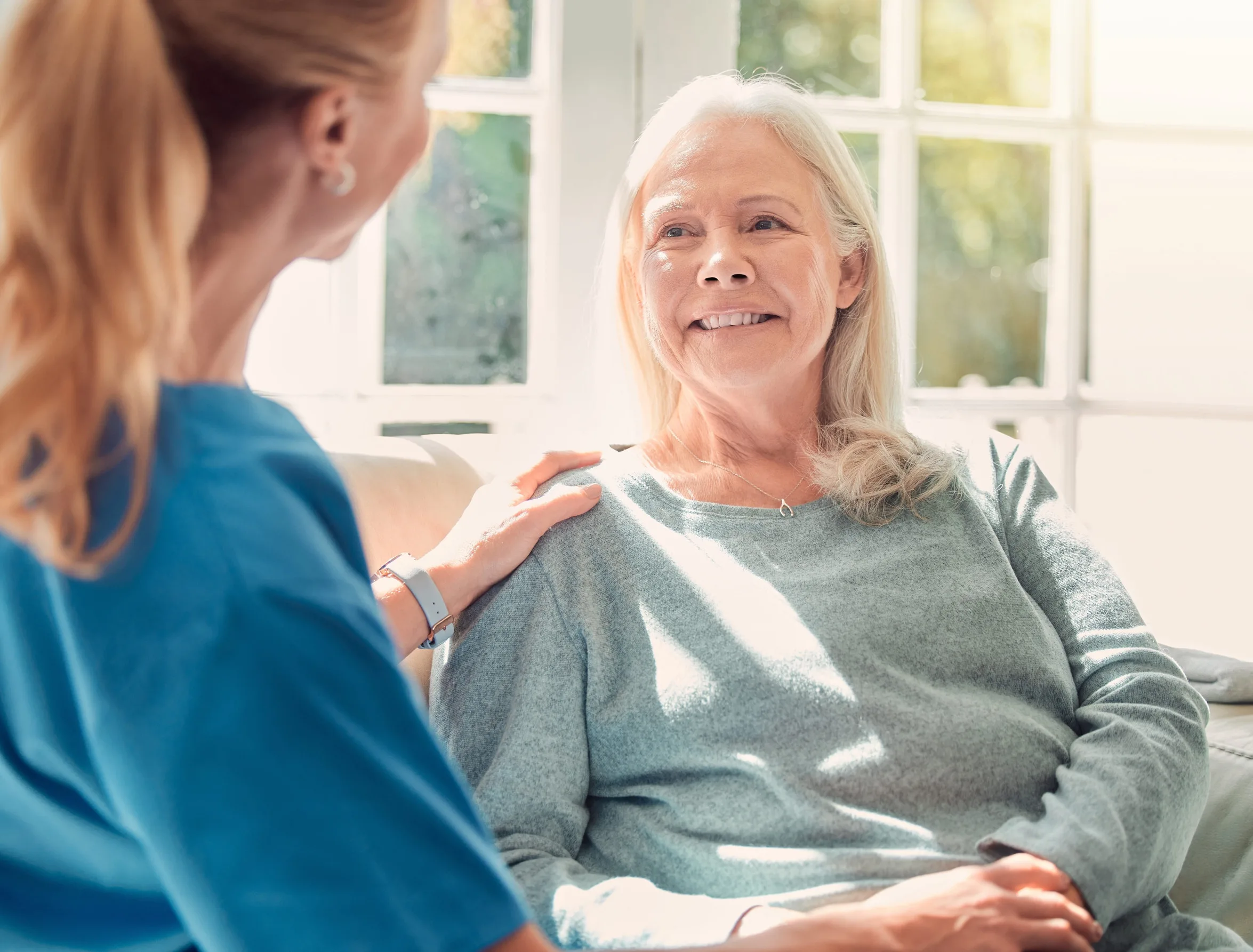
Building confidence and compassion in home-based care
A caregiver course provides more than practical techniques; it helps individuals develop confidence, empathy, and professional awareness necessary for responsible home-based care. By understanding personal care routines, safety practices, emotional support strategies, and the importance of boundaries, caregivers are better prepared to provide respectful and effective assistance.
Home-based care remains one of the most meaningful forms of support within communities across South Africa. With proper training, caregivers can contribute to improved quality of life for clients while maintaining their own wellbeing and professional integrity. Through ongoing learning, reflection, and compassionate practice, caregiving can become both a fulfilling career path and a powerful way to make a positive difference in the lives of others.
Related Articles

Why Effective Public Management Matters For Service Delivery In South Africa
June 30, 2026

Why Data Analytics Is A Must-Have Skill For Professionals
June 30, 2026

Why Every Manager Should Understand Financial Statements
June 30, 2026

Online Courses for Polokwane and Limpopo Learners
June 30, 2026

Online Courses for Gqeberha, Kariega, Despatch, and Surrounding Areas
June 30, 2026

Online Courses for Pretoria Students and Working Professionals
June 30, 2026
How do you enrol
Enrol in 10 minutes or less
Interested in one of our programs? Fill out your contact details below.
Our advisors will call you back and enrol you or answer any questions.
Once enrolled, you'll get access to your programme within 48hours.
Chat to one of our enrolment advisors
Our Enrolment Advisors will guide you through everything from course choice to enrolment.
"*" indicates required fields