
From Traditional Mechanics to Modern CAD Skills
Mechanical engineering for beginners often starts with a simple idea: understanding how things move, how machines work, and how energy is used in systems. It is one of the broadest engineering disciplines, combining principles of physics, mathematics, and material science to design, analyse, and maintain mechanical systems.
For those new to the field, it can seem overwhelming at first. However, when broken down into its core components, mechanical engineering becomes much more accessible. It begins with fundamental concepts such as forces, motion, and energy, and gradually progresses into more advanced areas like system design and digital modelling.
In South Africa, the demand for technical training in engineering continues to grow, particularly in industries such as manufacturing, mining, and energy. This makes mechanical engineering an excellent starting point for individuals who want to build practical, in-demand skills.
What makes the field especially relevant today is how it has evolved. Traditional mechanical practices, such as manual drafting and physical prototyping, are now being combined with digital tools like computer-aided design. This transition has changed how engineers work, making digital skills just as important as foundational mechanical knowledge.
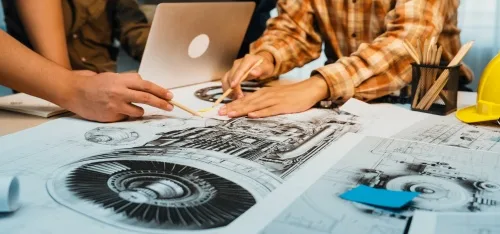
The Foundations of Mechanical Engineering
Core Concepts Every Beginner Should Know
At its core, mechanical engineering is about understanding how systems behave under different conditions. This includes studying motion, forces, materials, and energy. These principles form the foundation for designing machines and solving real-world problems.
One of the most important areas for beginners is mechanics, which focuses on how forces affect objects. This includes both static systems, where objects remain still, and dynamic systems, where motion is involved.
Another key area is material understanding, which helps engineers determine how different substances respond to stress, temperature, and environmental conditions. This knowledge is essential for selecting the right materials for specific applications.
Thermodynamics Basics and Their Importance
Thermodynamics basics are a fundamental part of mechanical engineering for beginners. This area focuses on how energy is transferred and transformed within a system, particularly in the form of heat and work.
Understanding thermodynamics is essential for working with engines, power systems, and industrial machinery. It explains how energy can be converted from one form to another, such as turning fuel into mechanical motion.
For beginners, thermodynamics may seem complex at first, but it provides essential insight into how machines operate efficiently. It also plays an important role in modern industries, where energy efficiency and sustainability are increasingly important.
The Role of Sketching in Early Learning
Before the rise of digital tools, engineers relied heavily on manual sketching to design and communicate ideas. Sketching remains an important skill for beginners, as it helps develop spatial awareness and problem-solving abilities.
Through sketching, learners can visualise components, understand how parts fit together, and explore different design ideas. It also builds a strong foundation for transitioning into digital design tools later on.
The Transition from Traditional Mechanics to Digital Engineering
How Mechanical Engineering Has Evolved
Mechanical engineering has changed significantly over time. In the past, engineers relied on manual calculations, hand-drawn designs, and physical prototypes to develop solutions. While these methods are still valuable, they have been enhanced by modern digital technologies.
Today, engineers use software to design, simulate, and test systems before they are built. This shift has improved accuracy, reduced development time, and allowed for more efficient problem-solving.
For beginners, this evolution means that learning mechanical engineering involves both traditional knowledge and digital skills. Understanding how these two areas connect is essential for success in modern engineering environments.
Combining CAD and Sketching
CAD and sketching are closely linked, especially for beginners. Sketching is often the first step in the design process, allowing ideas to be captured quickly and explored visually. CAD then takes those ideas and transforms them into detailed digital models.
Computer-aided design allows engineers to create precise drawings and three-dimensional models that can be used for analysis and manufacturing. This makes it an essential tool in modern engineering.
By combining sketching with CAD, learners can develop a complete design process. They move from basic concepts to detailed, functional designs that can be tested and refined digitally.
Why Digital Skills Are Essential Today
In today’s industrial environment, digital skills are no longer optional. Engineers are expected to work with software tools that support design, analysis, and production.
CAD has become a standard tool across many industries, improving communication between teams and ensuring that designs are accurate and consistent. It also allows for faster development and easier modification of designs.
For beginners, learning digital tools alongside traditional mechanical concepts provides a strong advantage. It ensures that they are prepared for the expectations of modern workplaces.

Mechanical Engineering in South Africa
The Demand for Technical Training
South Africa continues to experience a growing need for individuals with technical skills in engineering. The industrial sector depends on skilled workers who can maintain systems, improve processes, and support production.
This demand highlights the importance of accessible technical training. By providing learners with both foundational knowledge and practical skills, training programmes can help address the skills gap in the country.
Supporting Industrial Growth
Mechanical engineering plays a key role in supporting industrial growth. From maintaining equipment to improving production systems, engineers are essential for ensuring that operations run efficiently.
As industries adopt new technologies, the need for individuals who understand both mechanical systems and digital tools continues to increase. This makes mechanical engineering a valuable field for career development.
Career Opportunities for Beginners
Mechanical engineering offers a wide range of career opportunities, even at an entry level. Beginners can pursue roles in maintenance, production support, quality control, and technical assistance.
By developing both theoretical and practical skills, learners can position themselves for growth within the engineering field. This is particularly important in South Africa, where technical skills are highly valued across industries.
Building Technical Skills Step by Step
Starting with Fundamental Knowledge
Mechanical engineering for beginners should always begin with the basics. This includes understanding core principles such as forces, motion, and energy.
Building a strong foundation allows learners to develop confidence and prepares them for more advanced topics. It also ensures that knowledge is applied correctly in practical situations.
Moving into Practical Application
Once the fundamentals are understood, the next step is applying that knowledge. This might involve solving problems, analysing systems, or working with simple tools.
Practical application helps learners connect theory with real-world situations. It also develops critical thinking and problem-solving skills, which are essential in engineering.
Integrating Digital Tools
As learners progress, they begin to work with digital tools such as CAD software. This marks an important step in transitioning from traditional methods to modern engineering practices.
By integrating digital tools into their learning, beginners can develop skills that are directly relevant to industry requirements. This includes creating designs, testing concepts, and working with digital systems.
The Role of CAD in Modern Mechanical Engineering
From Basic Drawings to Advanced Models
One of the most significant developments in mechanical engineering is the move from basic drawings to detailed digital models. CAD software allows engineers to create accurate representations of components and systems.
These models can be used to visualise designs, identify potential issues, and make improvements before production begins. This improves both efficiency and quality.
Enhancing Design and Problem-Solving
CAD is not only used for design but also for analysis. Engineers can simulate how a component will perform under different conditions, allowing them to refine their designs.
This capability reduces the need for physical testing and speeds up the development process. It also helps ensure that designs meet required standards.
Preparing for Industry Expectations
For beginners, learning CAD is essential for preparing for industry expectations. Most engineering roles now involve some level of digital design, making these skills highly valuable.
By developing CAD skills early, learners can improve their employability and adapt more easily to modern engineering environments.

Combining Thermodynamics and Digital Design
Understanding Systems as a Whole
Modern mechanical engineering requires a combination of theoretical knowledge and digital skills. Understanding thermodynamics basics allows engineers to analyse how energy flows through a system, while CAD enables them to design components that support efficient performance.
This integrated approach ensures that systems are both functional and efficient. It also reflects how engineering is applied in real-world settings.
Applying Knowledge to Real Situations
By combining traditional concepts with digital tools, engineers can solve complex problems more effectively. This might involve improving machine performance, designing energy-efficient systems, or developing new solutions for industry challenges.
For beginners, this combination provides a well-rounded skill set that can be applied across multiple industries.
Learning Mechanical Engineering with iQ Academy
A Structured Approach for Beginners
iQ Academy’s Introduction to Mechanical Engineering course is designed to guide learners from basic concepts to more advanced understanding. It provides a structured learning path that makes the subject easier to follow.
Developing Practical and Digital Skills
The course focuses on both traditional mechanical knowledge and modern digital skills. By including CAD and sketching, it ensures that learners are prepared for today’s engineering environment.
Start Your Journey in Mechanical Engineering
Mechanical engineering for beginners now includes more than just understanding machines. It involves a combination of traditional mechanics, thermodynamics basics, and digital design skills such as CAD.
By developing these abilities step by step, learners can build a strong foundation for a career in engineering. Whether working in manufacturing, design, or maintenance, these skills provide a valuable pathway into the technical world.
Related Articles

Why Practical Skills Matter More Than Ever in South Africa’s Job Market
July 24, 2026

Why cybersecurity awareness is now an essential workplace skill
July 23, 2026

Why getting qualified is only the first step towards career progression
July 21, 2026

Why Effective Public Management Matters For Service Delivery In South Africa
June 30, 2026

Why Data Analytics Is A Must-Have Skill For Professionals
June 30, 2026

Why Every Manager Should Understand Financial Statements
June 30, 2026
How do you enrol
Enrol in 10 minutes or less
Interested in one of our programs? Fill out your contact details below.
Our advisors will call you back and enrol you or answer any questions.
Once enrolled, you'll get access to your programme within 48hours.
Chat to one of our enrolment advisors
Our Enrolment Advisors will guide you through everything from course choice to enrolment.
"*" indicates required fields