Project management plays a critical role in how organisations plan, execute and deliver work successfully. From launching new products to implementing systems, running marketing campaigns or managing organisational change, projects are the structures that turn ideas into results. In South Africa’s competitive job market, employers increasingly value professionals who understand not only what project management is, but how to apply it across the full project lifecycle.
For many people, project management sounds technical or reserved for large corporate environments. In reality, project management skills are widely applicable across industries, business sizes and roles. Understanding the project management phases helps professionals work more effectively, communicate clearly with stakeholders and deliver outcomes on time and within scope. This article explains each phase of the project management lifecycle, the skills employers expect at every stage, and who project management is best suited to as a career path.

What project management really is
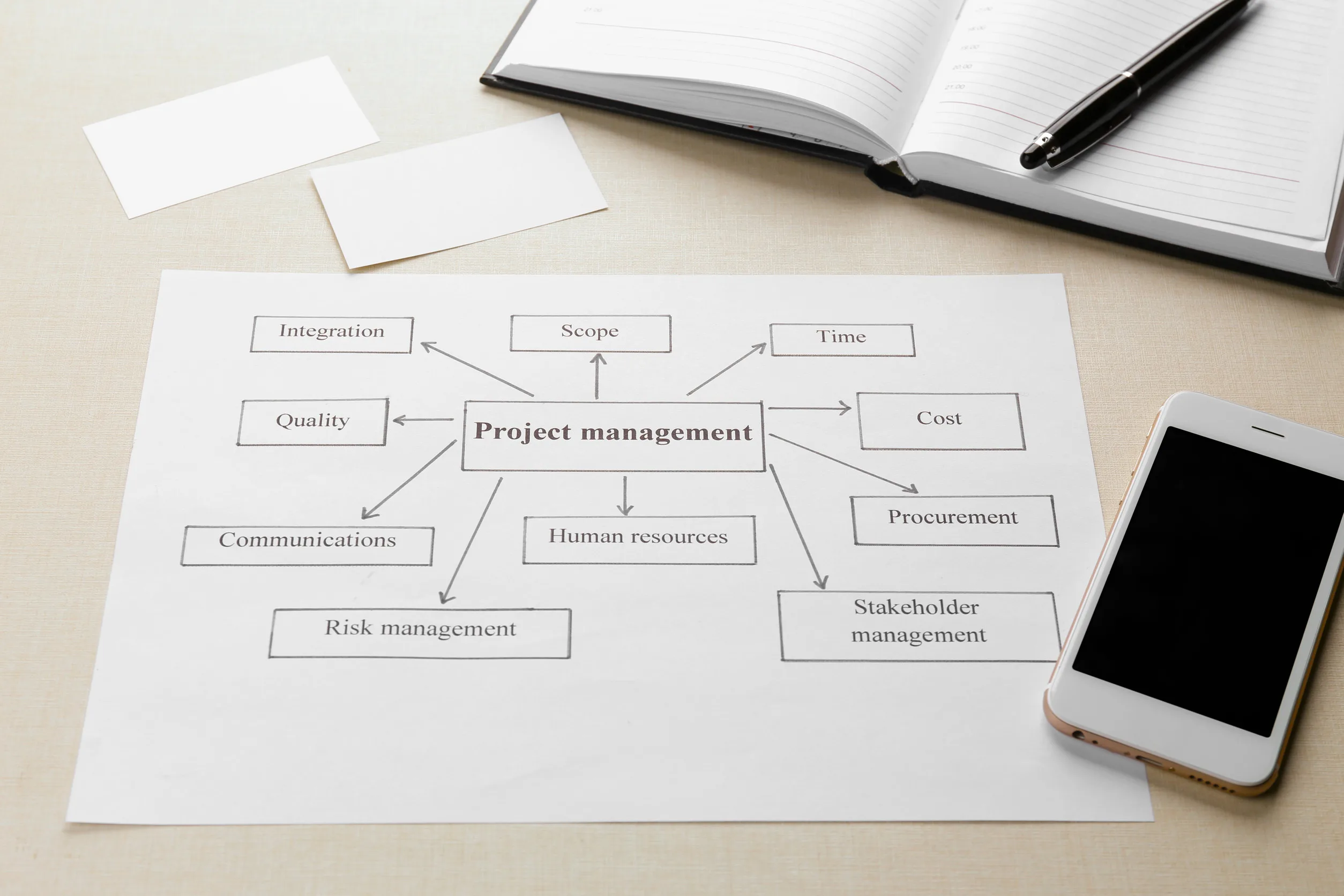
At its core, project management is the discipline of planning, organising and controlling resources to achieve a specific goal within defined constraints. These constraints typically include time, cost, scope and quality. A project has a clear beginning and end, a defined objective and a set of deliverables that must be achieved.
Project management differs from routine operations. Operations involve ongoing, repetitive activities, while projects are temporary and unique. This distinction is important because it shapes how work is planned and managed. Projects require structured thinking, proactive problem-solving and the ability to balance competing priorities.
Employers value project management skills because they improve efficiency, reduce risk and increase the likelihood of success. A well-managed project uses resources wisely, anticipates challenges and keeps stakeholders informed. These capabilities are essential in environments where budgets are tight and expectations are high.
Overview of the project management lifecycle
The project management lifecycle provides a structured framework for managing work from start to finish. It divides a project into phases, each with a specific purpose and set of activities. While terminology may vary slightly between methodologies, the core phases remain consistent.
The lifecycle typically includes initiation, planning, execution, monitoring and control, and closing. Each phase builds on the previous one, creating a logical flow that supports clarity and accountability. Understanding this lifecycle helps professionals see the bigger picture and avoid common pitfalls such as poor planning, scope creep or unclear responsibilities.
Employers expect project managers and team members to understand how these phases work together. Even professionals who are not formally titled project managers benefit from lifecycle knowledge, as it improves collaboration and decision-making.
Initiation phase
The initiation phase is where a project is formally defined and approved. Its purpose is to determine whether the project is viable and worth pursuing. This phase sets the foundation for everything that follows.
During initiation, the project’s objectives, scope and high-level requirements are identified. Stakeholders are recognised, and initial risks and constraints are considered. A business case or project charter is often developed to justify the project and secure approval.
The key skills employers expect in this phase include analytical thinking, stakeholder identification and clear communication. Professionals must be able to ask the right questions, assess feasibility and align the project with organisational goals. Poor initiation leads to unclear expectations and misalignment later on, which is why this phase is so important.
Planning phase
The planning phase is widely regarded as the most critical stage of project management. It involves translating high-level objectives into a detailed roadmap that guides execution. Strong planning reduces uncertainty and increases the likelihood of successful delivery.
Work breakdown structures and scope definition
One of the central planning tools is the work breakdown structure, which divides the project into smaller, manageable tasks. This helps teams understand exactly what needs to be done and prevents important activities from being overlooked.
Clear scope definition is essential at this stage. Scope outlines what is included in the project and, just as importantly, what is excluded. Employers expect project professionals to manage scope carefully to avoid uncontrolled changes that impact time and cost.
Timelines and scheduling
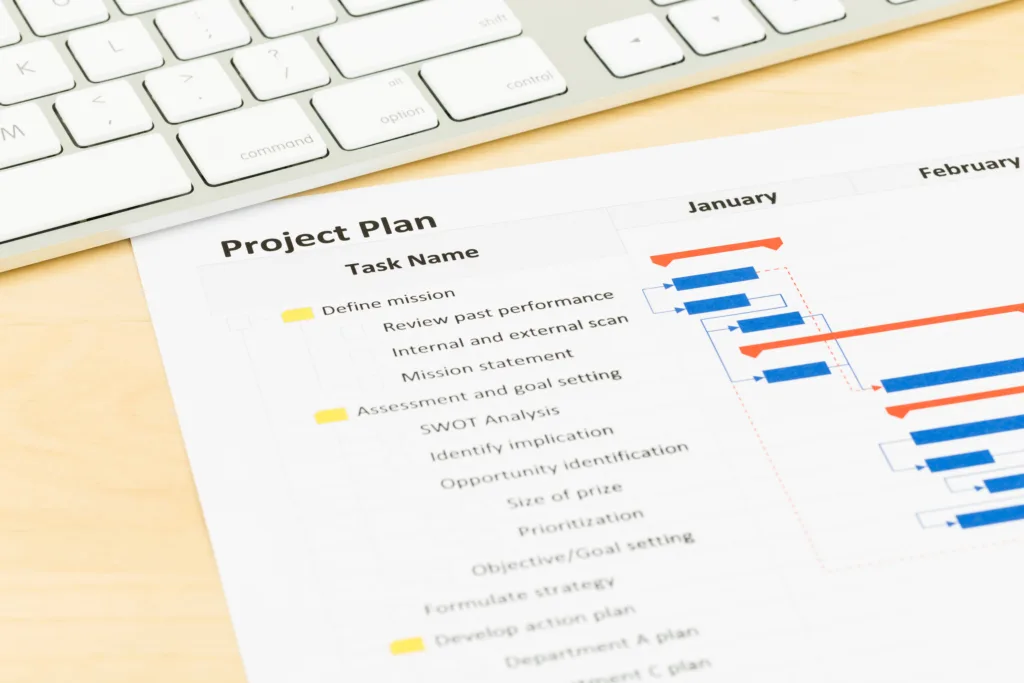
Creating realistic timelines is another key planning activity. This involves sequencing tasks, estimating durations and identifying dependencies. Tools such as Gantt charts or project schedules are commonly used to visualise timelines.
Scheduling requires both technical ability and judgement. Employers value professionals who can balance ambition with realism and adjust plans when constraints change. Time management, prioritisation and attention to detail are critical skills during this phase.
Resource and cost planning
Planning also includes allocating resources and estimating costs. This ensures the project can be delivered within budget and that responsibilities are clearly assigned. Financial awareness and organisational skills are particularly important here.
The planning phase demands structure, foresight and discipline. Employers often view strong planning ability as a marker of project management maturity.
Execution phase
The execution phase is where the planned work is carried out. Teams complete tasks, produce deliverables and work towards the project’s objectives. While this phase is action-oriented, it still requires careful coordination and leadership.
During execution, the project manager or responsible lead ensures that work is performed according to plan. This includes managing team members, facilitating communication and resolving issues as they arise. Execution is not about rigidly following the plan, but about using it as a guide while responding to real-world conditions.
Employers expect strong interpersonal and leadership skills during execution. This includes motivating teams, managing conflict and maintaining momentum. Clear communication and problem-solving are essential, particularly when unexpected challenges emerge.
Monitoring and control phase
Monitoring and control run alongside execution and focus on tracking performance and managing change. This phase ensures the project stays aligned with its objectives and that deviations are addressed promptly.
Risk management
Risk management involves identifying potential threats to the project and implementing strategies to reduce their impact. Risks may relate to resources, timelines, technology or external factors. Employers expect professionals to anticipate risks rather than react to crises.
Effective risk management requires analytical thinking, planning and clear documentation. It also involves communicating risks to stakeholders in a way that supports informed decision-making.
Quality management
Quality control ensures that deliverables meet agreed standards and requirements. This may involve reviews, testing or audits, depending on the project type. Employers value attention to detail and a commitment to quality, as poor-quality outputs can damage reputation and increase costs.
Communication and reporting
Monitoring and control also rely heavily on communication. Regular reporting keeps stakeholders informed of progress, challenges and changes. Clear, concise communication builds trust and supports timely interventions when needed.
This phase highlights the importance of discipline, consistency and transparency in project management.
Closing phase
The closing phase marks the formal completion of the project. Its purpose is to ensure that all deliverables have been completed, accepted and documented. Closing a project properly allows organisations to capture learning and move forward effectively.
Key activities in this phase include finalising documentation, releasing resources and conducting post-project reviews. Lessons learned are identified to improve future projects. Employers increasingly value professionals who contribute to organisational learning, not just delivery.
Strong closing skills demonstrate professionalism and accountability. They also help teams transition smoothly to new work without unresolved issues lingering.
Who project management suits
Project management suits individuals who enjoy structure, problem-solving and working with people. It appeals to those who like balancing detail with big-picture thinking and who are comfortable taking responsibility for outcomes.
Professionals in many roles use project management skills without holding the formal title. These include team leaders, administrators, coordinators, consultants and business owners. In South Africa, project management skills are valuable across sectors such as construction, IT, education, healthcare, marketing and public services.
People who thrive in project management tend to be organised, adaptable and communicative. They are able to manage pressure and make decisions with incomplete information. These traits can be developed through experience and structured learning.
Career paths in project management
Project management offers flexible and varied career paths. Some professionals specialise in project coordination or administration, while others progress into senior project management or programme management roles. With experience, project managers may move into strategic or leadership positions.
The demand for project management skills continues to grow as organisations rely more heavily on projects to drive change and innovation. Employers often seek candidates who combine practical experience with formal training, particularly for complex or high-risk projects.
Courses that cover both fundamentals and advanced concepts help professionals build credibility and confidence. Structured learning provides a common language and framework that employers recognise and value.

Take the next step in your project management journey
Whether you are new to project work or already managing projects informally, understanding the project management lifecycle is essential. The most successful professionals start with solid fundamentals and then deepen their expertise as responsibilities grow. If you are managing projects already, begin by strengthening your core knowledge and then level up through advanced learning that equips you to handle greater complexity, lead teams effectively and deliver projects with confidence.
Related Articles

Why Effective Public Management Matters For Service Delivery In South Africa
June 30, 2026

Why Data Analytics Is A Must-Have Skill For Professionals
June 30, 2026

Why Every Manager Should Understand Financial Statements
June 30, 2026

Online Courses for Polokwane and Limpopo Learners
June 30, 2026

Online Courses for Gqeberha, Kariega, Despatch, and Surrounding Areas
June 30, 2026

Online Courses for Pretoria Students and Working Professionals
June 30, 2026
How do you enrol
Enrol in 10 minutes or less
Interested in one of our programs? Fill out your contact details below.
Our advisors will call you back and enrol you or answer any questions.
Once enrolled, you'll get access to your programme within 48hours.
Chat to one of our enrolment advisors
Our Enrolment Advisors will guide you through everything from course choice to enrolment.
"*" indicates required fields