
Why Risk Assessment Is the Foundation of Modern Organisations
Risk management in business has become a fundamental requirement for organisations operating in today’s fast-changing environment. Whether dealing with financial uncertainty, operational challenges, or external disruptions, businesses must be prepared to respond to risks that can affect their performance and long-term success.
In South Africa, where businesses operate within a dynamic economic and regulatory landscape, the ability to manage risk effectively is particularly important. Companies must navigate challenges such as market fluctuations, infrastructure constraints, and evolving compliance requirements. Without a structured approach to risk management, these challenges can quickly impact operations and profitability.
At the centre of effective risk management lies one critical process: risk assessment. This process allows organisations to identify potential threats, evaluate their impact, and implement strategies to manage them. It is not simply a defensive tool but a proactive approach that supports decision-making and long-term planning.
Modern organisations no longer treat risk management as an isolated function. Instead, it is integrated into all aspects of business operations, making it a core management skill that supports stability, growth, and resilience.
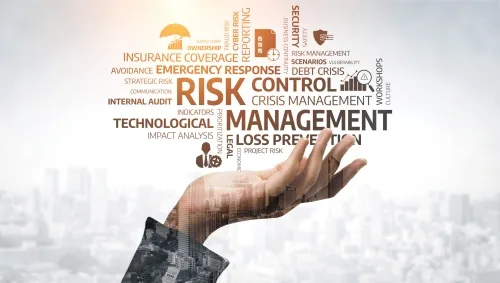
Understanding Risk Management in Business
What Risk Management Involves
Risk management in business is the structured process of identifying, assessing, and controlling threats that could affect an organisation’s objectives. These risks can arise from a variety of sources, including financial uncertainty, operational issues, legal requirements, and external events.
The goal of risk management is not to eliminate risk entirely, which is often impossible. Instead, it focuses on understanding risks and making informed decisions to minimise their impact while still allowing the organisation to pursue opportunities.
This approach ensures that businesses can operate with greater confidence, knowing that potential challenges have been considered and addressed.
The Role of Management Skills
Effective risk management requires strong management skills. Leaders must be able to analyse information, make decisions under uncertainty, and communicate strategies clearly across the organisation.
These skills are essential for identifying risks, evaluating their potential impact, and implementing appropriate responses. They also support collaboration, as risk management often involves input from multiple departments.
In South Africa, where businesses must adapt to changing conditions, these management skills are particularly valuable. They enable organisations to remain flexible and responsive in a competitive environment.
The Risk Management Process Explained
Identify and Treat Risks
The first step in risk management is to identify and treat risks. This involves recognising potential threats that could affect the organisation and understanding how they might arise.
Once risks have been identified, the next step is to assess their likelihood and impact. This allows organisations to prioritise risks and focus on those that pose the greatest threat.
After assessment, strategies are developed to treat risks. This may involve reducing the likelihood of the risk occurring, minimising its impact, or preparing contingency plans.
This structured approach ensures that risks are managed systematically rather than reactively.
Monitoring and Continuous Improvement
Risk management is not a one-time activity. It requires continuous monitoring and review to ensure that strategies remain effective.
As business environments change, new risks may emerge while existing risks may evolve. Regular assessment allows organisations to stay ahead of these changes and adapt their strategies accordingly.
This ongoing process supports long-term stability and helps organisations maintain control over their operations.
Why Risk Assessment Is Foundational
The Core of All Risk Management Activities
Risk assessment is the foundation of risk management in business. It provides the information needed to understand risks and make informed decisions.
Without risk assessment, organisations would be operating without a clear understanding of potential threats. This could lead to poor decision-making and increased vulnerability.
Risk assessment enables businesses to identify risks early, evaluate their impact, and develop strategies to manage them effectively. It acts as the starting point for all risk management activities.
Improving Decision-Making
One of the key benefits of risk assessment is its ability to improve decision-making. By analysing risks and their potential outcomes, organisations can make more informed choices.
This leads to better allocation of resources, more effective planning, and improved overall performance. Risk management provides a structured framework for evaluating options and selecting the best course of action.
In a competitive business environment, this ability to make informed decisions can provide a significant advantage.
Supporting Business Continuity
Business continuity is another area where risk assessment plays a critical role. By identifying potential disruptions and preparing for them, organisations can ensure that operations continue even in challenging circumstances.
This includes developing contingency plans, maintaining backup systems, and ensuring that critical processes can continue without interruption.
Risk management helps organisations prepare for unexpected events, reducing the likelihood of major disruptions and supporting long-term sustainability.

Risk Management and Business Stability
Protecting Assets and Resources
One of the primary functions of risk management is to protect an organisation’s assets. This includes financial resources, physical assets, and intellectual property.
By identifying potential threats and implementing controls, businesses can reduce the risk of losses and maintain stability. This proactive approach helps preserve value and supports long-term growth.
Reducing Financial Losses
Effective risk management helps organisations avoid or minimise financial losses. By addressing risks before they occur, businesses can reduce costs associated with disruptions, legal issues, and operational failures.
This is particularly important in uncertain economic conditions, where unexpected events can have a significant impact on financial performance.
Enhancing Organisational Resilience
Resilience refers to an organisation’s ability to adapt to change and recover from challenges. Risk management plays a key role in building resilience by preparing businesses for potential disruptions.
By identifying risks and developing strategies to address them, organisations can respond more effectively to challenges and maintain their operations.
The Role of Risk Management in South Africa
Navigating a Complex Business Environment
In South Africa, businesses operate within a complex environment that includes economic uncertainty, regulatory requirements, and infrastructure challenges.
Risk management is essential for navigating these conditions and ensuring that organisations can operate effectively. By understanding and managing risks, businesses can adapt to changing circumstances and maintain their performance.
Supporting Sustainable Growth
Risk management supports sustainable growth by ensuring that organisations can pursue opportunities while managing potential threats.
This balance is essential for long-term success, as it allows businesses to innovate and expand without exposing themselves to unnecessary risk.
Aligning with Industry Expectations
Many industries in South Africa require organisations to comply with specific regulations and standards. Risk management helps ensure that these requirements are met, reducing the risk of penalties and reputational damage.
This alignment with industry expectations is essential for maintaining trust and credibility.
Developing Risk Management Skills
Building Practical Capabilities
Developing risk management skills involves learning how to identify risks, assess their impact, and implement effective strategies. These skills are essential for anyone involved in business operations or management.
Training programmes provide the knowledge and tools needed to perform these tasks effectively. They also help individuals develop confidence in their ability to manage risk.
Applying Skills in the Workplace
Risk management skills can be applied in a wide range of workplace situations. This includes managing projects, overseeing operations, and making strategic decisions.
By applying these skills, individuals can contribute to the success of their organisation and support its long-term stability.
Supporting Career Growth
Professionals with risk management skills are in demand across various industries. These skills are valuable for roles in management, operations, and compliance.
By developing expertise in risk management, individuals can enhance their career prospects and take on greater responsibilities.
Why Risk Management Is Essential for Modern Organisations
A Proactive Approach to Challenges
Risk management encourages a proactive approach to challenges. Instead of reacting to problems as they arise, organisations can anticipate risks and prepare for them in advance.
This approach reduces uncertainty and improves overall performance.
Strengthening Competitive Advantage
Organisations that manage risk effectively are better positioned to compete in the market. They can respond to changes more quickly, make better decisions, and maintain consistent performance.
This creates a competitive advantage that supports growth and success.
Building Confidence Among Stakeholders
Effective risk management builds confidence among stakeholders, including investors, employees, and customers. It demonstrates that the organisation is well-managed and prepared for potential challenges.
This confidence is essential for maintaining strong relationships and supporting long-term success.

Start Building Your Risk Management Skills Today
Risk management in business is no longer optional. It is a core function that supports decision-making, protects assets, and ensures business continuity. At the centre of this process is risk assessment, which provides the foundation for identifying and treating risks effectively.
In South Africa’s dynamic business environment, organisations need professionals who can manage uncertainty and support sustainable growth. By developing risk management skills, individuals can play a key role in this process and position themselves for career advancement.
Related Articles

Why Practical Skills Matter More Than Ever in South Africa’s Job Market
July 24, 2026

Why cybersecurity awareness is now an essential workplace skill
July 23, 2026

Why getting qualified is only the first step towards career progression
July 21, 2026

Why Effective Public Management Matters For Service Delivery In South Africa
June 30, 2026

Why Data Analytics Is A Must-Have Skill For Professionals
June 30, 2026

Why Every Manager Should Understand Financial Statements
June 30, 2026
How do you enrol
Enrol in 10 minutes or less
Interested in one of our programs? Fill out your contact details below.
Our advisors will call you back and enrol you or answer any questions.
Once enrolled, you'll get access to your programme within 48hours.
Chat to one of our enrolment advisors
Our Enrolment Advisors will guide you through everything from course choice to enrolment.
"*" indicates required fields