
Understanding Your Options in Project Management Courses
Project management is a skill that continues to grow in demand across industries in South Africa. From coordinating small internal tasks to managing large-scale operations, organisations rely on individuals who can plan effectively, manage resources, and deliver results within defined timelines. As a result, many people are exploring project management courses as a way to build or strengthen these skills in a structured and practical way. One of the most common questions learners face, however, is which level to choose. With both beginner and advanced options available, understanding the difference between them is essential for making the right decision. Choosing the correct level is not about selecting the most advanced course available, but about aligning your current experience with the content and expectations of the course. Online learning has made this process more accessible than ever, allowing individuals to study at their own pace while balancing work and personal commitments. This article explores what you learn in project management courses, how beginner and advanced pathways differ, and how to decide which option is right for you.
What You Learn in Project Management Courses
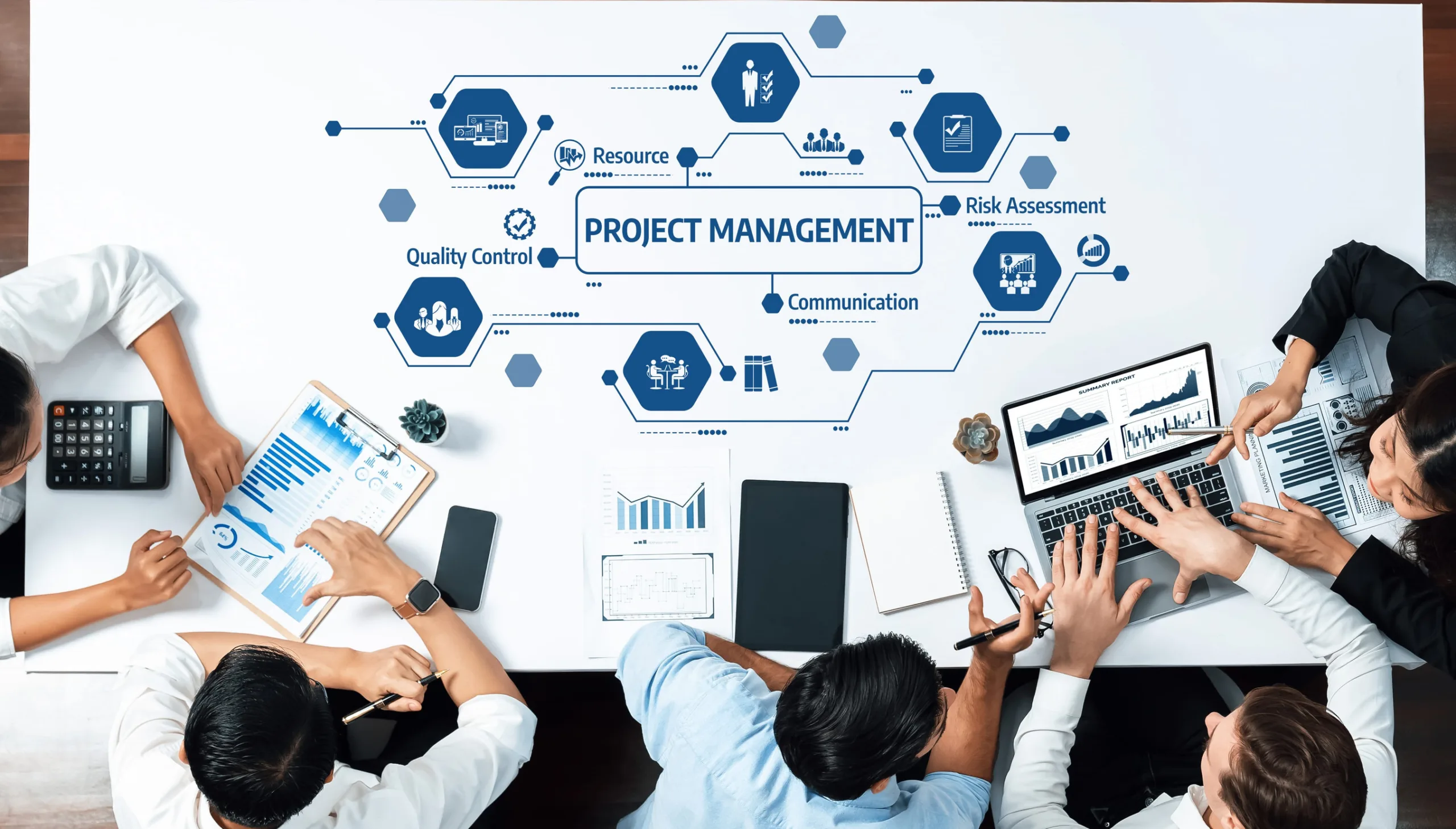
Project management courses are designed to provide a structured understanding of how projects are planned, executed, and completed. While the depth of content varies depending on the level, most courses follow a progression from foundational concepts to more advanced applications. At a fundamental level, learners are introduced to the environment of project management and how projects operate within organisations. This includes understanding stakeholders, project objectives, and the broader context in which projects are delivered. Learners also explore the project life-cycle, which provides a framework for managing projects from initiation through to completion. As the course progresses, learners gain practical planning skills, including the use of Work Breakdown Structures to organise tasks and project scheduling techniques to manage timelines. Resource planning, budgeting, and communication are also covered, ensuring that learners understand how to coordinate people, time, and finances effectively. At a more advanced level, project management courses expand into areas such as strategic alignment, leadership, and complex problem-solving. Learners are introduced to advanced scheduling methods such as CPM and PERT, as well as methodologies like Six Sigma and Lean principles for quality management. Risk management, financial control, and legal considerations also become more prominent, reflecting the increased complexity of larger projects. Across both levels, the focus remains on practical application. Learners are equipped with skills that can be used in real-world environments, making these courses highly relevant for career development.
Beginner Pathway: Building a Strong Foundation
The beginner pathway is designed for individuals who are new to project management or who have limited experience in the field. It focuses on building a clear understanding of core concepts and providing the tools needed to manage projects at a basic level. A typical beginner course is structured over a longer period, often around six months, allowing learners to develop their knowledge gradually. The content is divided into multiple units that guide learners through each stage of the project life-cycle. Early units focus on understanding the environment of project management and the importance of feasibility studies and project selection models. These topics help learners understand how projects are initiated and why certain projects are chosen over others. The course then moves into the planning phase, where learners develop skills in structuring tasks, creating schedules, and planning resource requirements. Financial planning is also introduced, including cost estimating, budgeting, and cash flow management. Communication is another key focus, with learners gaining an understanding of how to engage with team members and stakeholders effectively. As the course progresses, learners explore the execution phase, including implementing scope, quality, and risk management plans. Monitoring and reporting are also covered, ensuring that learners understand how to track progress and make adjustments when needed. The final stage focuses on project close-out, where learners learn how to complete projects in a structured and professional manner. This pathway is ideal for individuals who want a comprehensive introduction to project management. It provides a solid foundation that can be built upon in future learning or applied directly in entry-level roles.
Advanced Pathway: Expanding Skills and Leadership Capability
The advanced pathway is designed for individuals who already have a basic understanding of project management or who are involved in managing projects in their current roles. It focuses on developing more complex skills and preparing learners to handle larger, more demanding projects. Advanced project management courses are typically shorter in duration, often around three months, but require a higher level of engagement and prior knowledge. The content is more focused and moves at a faster pace, reflecting the expectation that learners are already familiar with fundamental concepts. One of the key areas of focus in advanced courses is strategic project management. Learners explore how projects align with organisational goals and how to make decisions that support long-term success. Advanced planning and scheduling techniques are also covered, including the use of CPM and PERT methods to manage complex timelines. Risk management becomes more detailed, with learners developing strategies to identify, assess, and mitigate potential challenges. Financial and budget management is explored in greater depth, ensuring that learners can manage resources effectively in more demanding environments. Leadership is another central theme, with a focus on managing teams, resolving conflicts, and maintaining productivity. Advanced courses also introduce modern tools and technologies that support project management, as well as methodologies such as Six Sigma and Lean principles to ensure quality. Legal and ethical considerations are included to provide a well-rounded understanding of the responsibilities involved in managing projects. Communication and reporting at this level are more strategic, focusing on how to engage stakeholders and present information clearly. This pathway is ideal for professionals who want to enhance their skills, take on more responsibility, and move into leadership roles within project environments.

Who Should Choose What Level
Choosing between beginner and advanced project management courses depends on your current experience, confidence, and career goals. If you are new to project management, the beginner pathway is the most suitable starting point. It provides the structure and clarity needed to understand the discipline without feeling overwhelmed. Starting with fundamentals ensures that you build a strong base before moving on to more complex topics. If you already have experience managing tasks, coordinating teams, or working on projects, the advanced pathway may be more appropriate. Even if your experience is informal, it can provide a useful foundation for engaging with more complex material. An advanced course can help you refine your skills, introduce new techniques, and prepare you for greater responsibility. If you are unsure which level to choose, it is often better to start with a beginner course. This allows you to assess your understanding and build confidence before progressing further. Online learning makes it easier to transition between levels, allowing you to continue your development at your own pace.
FAQs About Project Management Courses
How long do project management courses take to complete?
The duration depends on the level of the course. Beginner courses are typically longer, often taking around six months to complete, while advanced courses are more intensive and can be completed in approximately three months.
Can I study project management courses online?
Yes, many project management courses are available through online learning platforms. This allows learners in South Africa to study at their own pace while balancing work and other commitments.
Do I need prior experience to enrol?
Beginner courses do not require prior experience, making them suitable for individuals who are new to project management. Advanced courses are better suited to those with some existing knowledge or experience.
What skills will I gain?
Learners develop a range of skills, including planning, scheduling, budgeting, communication, risk management, and leadership. These skills are applicable across a wide range of industries.
Are these courses suitable for career growth?
Yes, project management courses provide practical, career-ready skills that can support progression in many roles. They are particularly valuable for individuals looking to move into project-based positions or take on greater responsibility.

Choosing a Learning Path That Fits Your Goals
Project management courses offer a flexible and practical way to build valuable skills in a relatively short period. Whether you choose a beginner or advanced pathway, the key is to select a course that aligns with your current level and future goals. Online learning makes it possible to study in a way that fits around your life, allowing you to develop skills without putting your career on hold. By understanding the differences between course levels and choosing the right starting point, you can create a learning journey that supports both your immediate needs and long-term ambitions. If you are considering taking the next step, requesting more information about available courses can help you make an informed decision and find the option that best suits your goals.
Related Articles

Why Effective Public Management Matters For Service Delivery In South Africa
June 30, 2026

Why Data Analytics Is A Must-Have Skill For Professionals
June 30, 2026

Why Every Manager Should Understand Financial Statements
June 30, 2026

Online Courses for Polokwane and Limpopo Learners
June 30, 2026

Online Courses for Gqeberha, Kariega, Despatch, and Surrounding Areas
June 30, 2026

Online Courses for Pretoria Students and Working Professionals
June 30, 2026
How do you enrol
Enrol in 10 minutes or less
Interested in one of our programs? Fill out your contact details below.
Our advisors will call you back and enrol you or answer any questions.
Once enrolled, you'll get access to your programme within 48hours.
Chat to one of our enrolment advisors
Our Enrolment Advisors will guide you through everything from course choice to enrolment.
"*" indicates required fields