
Office administrators are the backbone of smooth operations in organisations across South Africa. Whether working in a traditional office or a virtual environment, these professionals keep workflows running, support teams and maintain professional standards that help businesses succeed. For those considering a career in office support, understanding what office admins do, the skills they need and the opportunities available can guide your next steps — including choosing the right office administration course.
This learner-friendly guide explains core responsibilities associated with office administration work, outlines differences between traditional and virtual office roles, introduces key skills like customer service and business communication, and highlights career paths you can pursue. If you are exploring roles that combine organisation, communication and practical business support, this overview will help you decide whether an office administration path suits you and which skills to build along the way.
What office administrators do
Office administrators play a critical role in keeping daily business operations coordinated and efficient. Their responsibilities often vary depending on the size and type of organisation, but central themes include organisation, communication and support.
Common duties include managing calendars and appointments, handling correspondence, organising meetings and events, coordinating office supplies and equipment, and maintaining filing systems. Administrators often act as the first point of contact for clients, partners or internal team members, which means they must communicate clearly and professionally.
In many organisations, office administrators also support basic financial tasks such as processing invoices, tracking expenses or assisting with budgets. They may coordinate with HR on onboarding new employees, manage records and ensure compliance with internal policies.
Because office administrators work across departments, they need a broad skill set that combines attention to detail, problem-solving, time management and adaptability. Employers seek individuals who can multi-task, prioritise effectively and maintain professionalism even under pressure.
Traditional vs virtual offices
Office administration work has evolved significantly in recent years. The rise of remote and hybrid work has expanded opportunities for virtual office administration alongside traditional in-office roles.
In a traditional office environment, administrators are often based on-site and handle physical tasks such as receiving visitors, managing physical mail, organising meeting spaces and coordinating office logistics. They build relationships face-to-face and maintain the physical flow of the workplace.
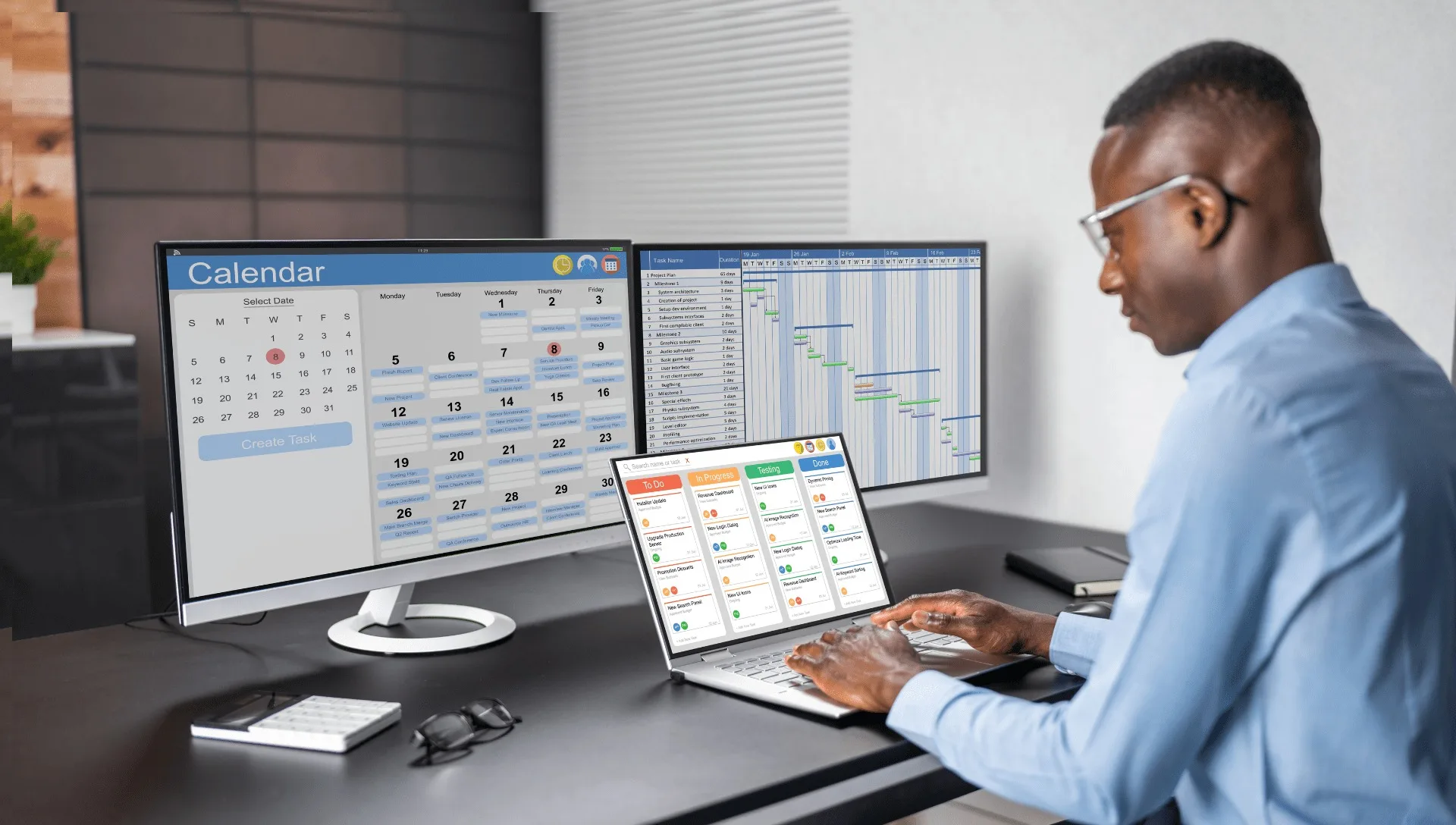
Virtual office administrators perform many of the same functions but from a remote location. They coordinate tasks using digital tools, manage emails and online calendars, facilitate virtual meetings and support distributed teams. Virtual roles demand strong digital literacy and the ability to communicate effectively through online channels.
Both traditional and virtual roles require professionalism and reliability, but virtual positions also emphasise independence, self-organisation and comfort with technology. Understanding the differences helps you choose the format that aligns with your strengths and work preferences.
Customer service and CRM basics
Customer service is a foundational skill for office administrators. Whether interacting with clients, suppliers or internal team members, administrators must respond to enquiries professionally, solve problems efficiently and represent the organisation positively.
In many organisations, customer relationship management (CRM) systems support these interactions. CRM tools help staff track communication history, log service issues and follow up on outstanding requests. Even in small businesses, basic CRM skills improve consistency and enhance the customer experience.
An office administration course often includes training on customer service principles and CRM basics. Learners practise how to listen actively, manage expectations and handle challenging conversations diplomatically. These skills transfer easily across industries because strong customer service underpins successful business relationships.
Business communication and etiquette
Communication lies at the heart of office support work. Administrators draft professional emails, prepare documentation, take meeting minutes and relay information between departments. Effective communication means delivering messages clearly, tailoring tone to the audience and avoiding misunderstandings.
Business etiquette complements communication skills. This includes knowing how to greet visitors, manage telephone calls with courtesy, and maintain professionalism in written and verbal exchanges. Etiquette also covers cultural sensitivity, respect for diversity and appropriate conduct in different business settings.
In the South African context, administrators work with people from diverse backgrounds and communication styles. An office administration course emphasises clarity, respect and adaptability, helping learners develop communication habits that build trust and credibility.
Diversity and workplace ethics
A strong office administrator understands and respects diversity. Workplaces in South Africa reflect a rich mix of cultures, languages and perspectives. Administrators support inclusive practices by knowing how to communicate respectfully with colleagues and clients from different backgrounds and by upholding organisational values.
Workplace ethics also play a key role. Administrators often handle confidential information, manage sensitive communications and enforce policy standards. Ethical behaviour — such as maintaining confidentiality, acting with integrity and following procedures — builds trust and protects the business.
Topics related to diversity and ethics in workplace behaviour are commonly included in office administration training. Learners explore scenarios that help them understand respectful interaction, ethical decision-making and maintaining professional standards in diverse environments.

Tools and workflows
Office administrators use a range of tools and workflows to manage day-to-day tasks efficiently. These include calendar and scheduling platforms, email management systems, document creation and editing software, spreadsheets for tracking information, and basic database tools.
For virtual roles, administrators also rely on video conferencing platforms, cloud-based file storage and online collaboration tools that enable teams to work together seamlessly. Learning how these tools integrate into work routines improves productivity and helps offices stay organised.
Workflow skills include setting up filing systems, automating routine tasks, tracking deadlines and organising resources so that work flows smoothly. An office administration course guides learners through practical use of common tools and encourages the development of habits that reduce errors and save time.
Entry roles and progression
Office administration offers a range of entry roles for individuals seeking to start or grow their careers. Positions such as office assistant, administrative support clerk, reception coordinator or virtual assistant are common starting points.
As you build experience and skills, opportunities for progression include senior office administrator, office manager, executive assistant or specialised support roles in areas such as HR, finance or operations. Employers value candidates who combine practical experience with formal training, particularly when administrative responsibilities extend to team coordination or process improvement.
For many professionals in South Africa, office administration provides a stable career foundation with potential to grow into leadership or specialised support functions. Practical skills, reliability and commitment to quality service are key drivers of career progression.
Choosing the right office administration course
Developing the skills needed for office administration work often begins with structured study. An office administration course provides learners with a clear pathway to build practical competencies in communication, organisation, customer service, tool usage and professionalism.
IQ Academy offers an Office Administration online course designed to prepare learners for entry-level and progressing roles in both traditional and virtual settings. This course covers core administrative responsibilities, communication and etiquette, diversity and ethics, tool workflows and workplace best practices. Studying in a structured online environment allows learners to develop confidence and apply skills directly to work contexts.
Online study also supports flexible learning for South African students balancing work, family and other commitments. With a focus on practical outcomes and workplace relevance, an office administration course can make the transition into administrative work more approachable and credible to employers.

Take the next step towards a practical admin career
Office administration is a versatile career that connects with many parts of business. It suits organised, communicative individuals who enjoy supporting teams, solving problems and keeping environments running smoothly. By building essential skills through a structured office administration course, you can enter the workplace with confidence and a clear foundation for growth. If you are ready to explore where this career path can take you, compare course outcomes and timelines to find the learning experience that aligns with your goals and schedule.
Related Articles

Why Effective Public Management Matters For Service Delivery In South Africa
June 30, 2026

Why Data Analytics Is A Must-Have Skill For Professionals
June 30, 2026

Why Every Manager Should Understand Financial Statements
June 30, 2026

Online Courses for Polokwane and Limpopo Learners
June 30, 2026

Online Courses for Gqeberha, Kariega, Despatch, and Surrounding Areas
June 30, 2026

Online Courses for Pretoria Students and Working Professionals
June 30, 2026
How do you enrol
Enrol in 10 minutes or less
Interested in one of our programs? Fill out your contact details below.
Our advisors will call you back and enrol you or answer any questions.
Once enrolled, you'll get access to your programme within 48hours.
Chat to one of our enrolment advisors
Our Enrolment Advisors will guide you through everything from course choice to enrolment.
"*" indicates required fields