
Every project involves uncertainty. No matter how well something is planned, there are always factors that can affect timelines, budgets, resources, or outcomes. Project risk management is the process of identifying these uncertainties, understanding their potential impact, and putting plans in place to reduce their effect. It is not about eliminating risk completely, which is rarely possible, but about being prepared. In real projects, risk often shows up in practical ways such as delays, miscommunication, changing requirements, or unexpected costs. Without a structured approach, these issues can escalate quickly and affect the overall success of the project. This is why project risk management is considered a core part of effective project delivery. It provides a framework for anticipating challenges, making informed decisions, and maintaining control as the project progresses.

Why Risk Management Matters from the Start
Risk management should not be treated as something that only happens when problems arise. It needs to be built into the project from the beginning. By identifying potential risks early, project teams can prepare mitigation strategies and reduce the likelihood of disruption. Early risk management also improves planning. When risks are considered during the planning phase, timelines can be more realistic, resources can be allocated more effectively, and expectations can be managed more clearly. This proactive approach helps prevent issues rather than reacting to them after they occur. It also improves communication. When risks are identified and documented, stakeholders have a clearer understanding of potential challenges and how they will be handled.
Identifying Risks in a Project
Types of Risks to Look For
Risks can come from many different sources, and it is important to consider a wide range of possibilities. Common types of risks include operational risks, financial risks, technical risks, and external risks. In addition, stakeholder risk is an important category. This includes risks related to communication, expectations, and engagement with stakeholders. If stakeholders are not aligned with the project goals, it can create challenges that affect progress.
Scope Creep as a Common Risk
One of the most frequent risks in projects is scope creep. This occurs when the project scope expands beyond its original boundaries without proper control. While small changes may seem manageable, they can accumulate over time and lead to delays, increased costs, and additional pressure on resources. Identifying the potential for scope creep early allows teams to put controls in place and maintain focus on the original objectives.
Using Structured Methods to Identify Risks
Risk identification is often done through structured methods such as brainstorming sessions, reviewing past projects, and consulting with team members and stakeholders. This collaborative approach helps ensure that different perspectives are considered and that potential risks are not overlooked.
The Risk Register: A Practical Tool
What Is a Risk Register?
A risk register is one of the most important tools in project risk management. It is a structured document that records identified risks, their potential impact, and the actions planned to address them. The risk register provides a central place to track risks throughout the project.
What to Include in a Risk Register Template
A typical risk register template includes the following elements:
- A description of the risk
- The likelihood of the risk occurring
- The potential impact on the project
- The overall risk level
- The mitigation plan
- The person responsible for managing the risk
- The current status of the risk
By keeping this information organised, teams can monitor risks more effectively and respond quickly when needed.
Keeping the Risk Register Updated
A risk register is not a static document. It should be reviewed and updated regularly as the project progresses. New risks may emerge, and existing risks may change in priority. Keeping the register up to date ensures that it remains a useful tool for decision-making.

TMitigation Planning: Reducing the Impact of Risk
What Is Mitigation Planning?
Mitigation planning involves developing strategies to reduce the likelihood or impact of identified risks. This is a key part of project risk management, as it moves beyond identifying risks and focuses on managing them proactively.
Types of Mitigation Strategies
There are several ways to address risk. One approach is to reduce the likelihood of the risk occurring by improving processes or adding controls. Another approach is to reduce the impact if the risk does occur, for example by having contingency plans in place. In some cases, risks can be avoided entirely by changing the project approach. In others, they may need to be accepted and managed as part of the project.
Planning for Real-World Scenarios
Effective mitigation planning considers real-world conditions. This includes understanding resource constraints, timelines, and stakeholder expectations. Plans should be practical and achievable, rather than overly complex or unrealistic.
Issue Management vs Risk Management
Understanding the Difference
Risk management and issue management are closely related but not the same. A risk is something that might happen, while an issue is something that has already occurred. Managing risks helps prevent issues, but when issues do arise, they need to be handled quickly and effectively.
Responding to Issues
Issue management involves identifying the problem, assessing its impact, and taking action to resolve it. This may involve adjusting the project plan, reallocating resources, or communicating changes to stakeholders.
Linking Risks and Issues
In many cases, issues arise from risks that were identified earlier. By linking risk management and issue management processes, teams can respond more effectively and learn from past experiences.
Managing Stakeholder Risk
Why Stakeholder Risk Matters
Stakeholders play a critical role in the success of a project. If they are not aligned with the project goals or if communication breaks down, it can create significant challenges. Stakeholder risk includes misunderstandings, conflicting expectations, and lack of engagement.
Strategies for Managing Stakeholder Risk
Clear communication is the most effective way to manage stakeholder risk. This includes setting expectations, providing regular updates, and addressing concerns promptly. Building strong relationships with stakeholders also helps create trust and reduces the likelihood of conflict.
Preventing and Managing Scope Creep
Setting Clear Boundaries
Preventing scope creep starts with defining the project scope clearly. This includes outlining what is included in the project and what is not. Having a well-defined scope helps prevent misunderstandings and unnecessary changes.
Change Control Processes
When changes are required, they should be managed through a structured process. This involves evaluating the impact of the change, obtaining approval, and updating the project plan accordingly. This ensures that changes are controlled and do not disrupt the project unnecessarily.
Maintaining Focus on Objectives
Keeping the project focused on its original objectives helps prevent scope creep. Regular reviews and communication with stakeholders ensure that the project remains aligned with its goals.
Practical Steps for Effective Risk Management
Start Early
Risk management should begin at the planning stage and continue throughout the project. Early identification and planning help prevent issues later on.
Involve the Team
Risk management is a team effort. Involving team members in identifying and managing risks ensures that different perspectives are considered.
Monitor Continuously
Risks should be monitored regularly, and mitigation plans should be adjusted as needed. This helps ensure that the project remains on track.
Learn from Experience
Reviewing past projects can provide valuable insights into common risks and effective strategies. This helps improve future risk management practices.
Using Templates to Stay Organised
Templates such as risk register templates provide a structured way to manage risks. They help ensure that all relevant information is captured and organised consistently. Using templates also saves time and makes it easier to maintain accurate records.
For beginners, templates provide guidance on what information to include and how to structure it. As experience grows, these templates can be adapted to suit different types of projects.
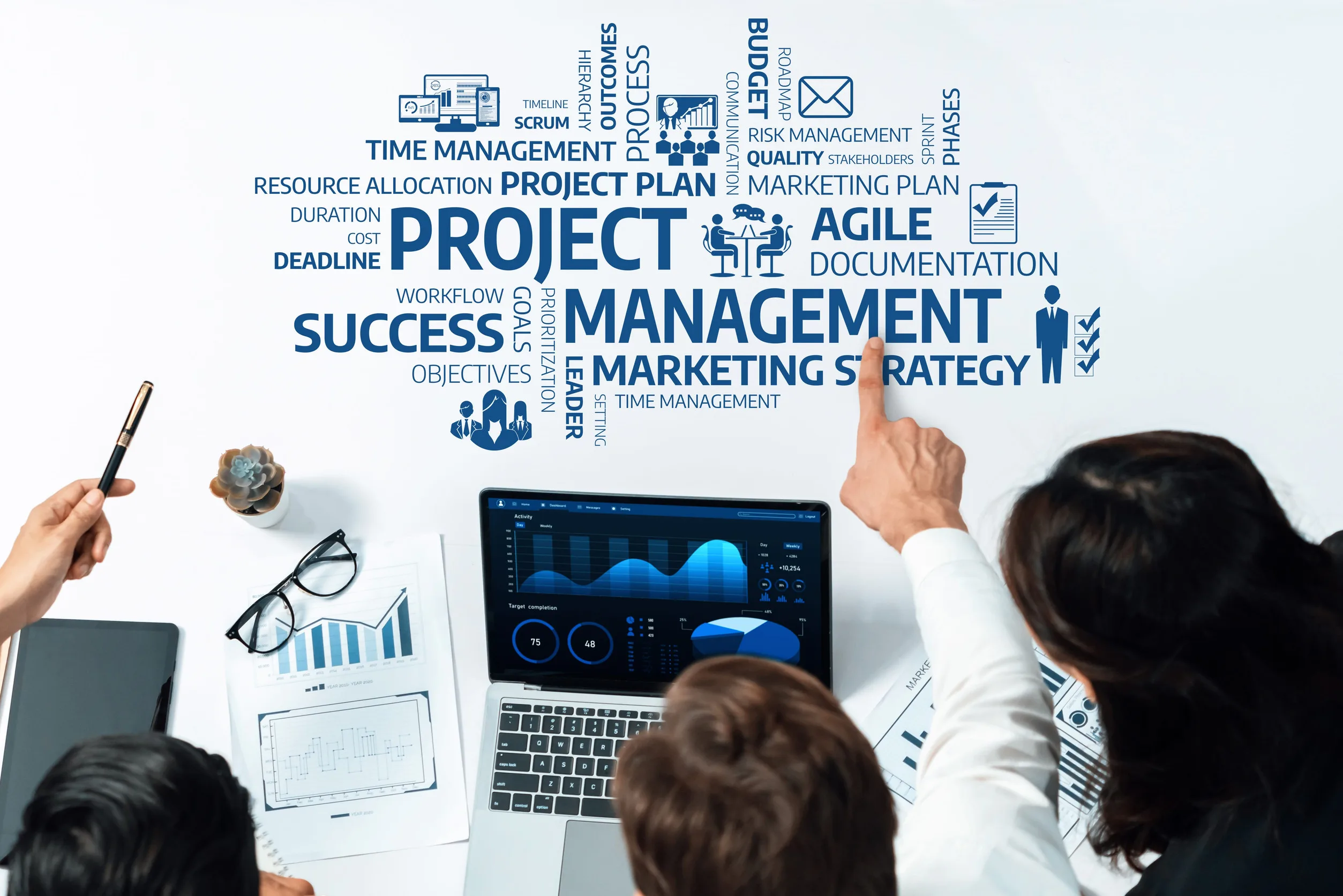
Building Confidence in Managing Risk
Project risk management is not about avoiding uncertainty but about managing it effectively. By identifying risks, using tools such as a risk register template, and developing practical mitigation plans, project teams can reduce the impact of challenges and improve outcomes.
Understanding how to manage stakeholder risk, prevent scope creep, and respond to issues is essential for delivering successful projects. With the right approach, risk becomes something that can be managed confidently rather than something that disrupts progress.
Related Articles

Why Effective Public Management Matters For Service Delivery In South Africa
June 30, 2026

Why Data Analytics Is A Must-Have Skill For Professionals
June 30, 2026
Why Every Manager Should Understand Financial Statements
June 30, 2026

Online Courses for Polokwane and Limpopo Learners
June 30, 2026

Online Courses for Gqeberha, Kariega, Despatch, and Surrounding Areas
June 30, 2026

Online Courses for Pretoria Students and Working Professionals
June 30, 2026
How do you enrol
Enrol in 10 minutes or less
Interested in one of our programs? Fill out your contact details below.
Our advisors will call you back and enrol you or answer any questions.
Once enrolled, you'll get access to your programme within 48hours.
Chat to one of our enrolment advisors
Our Enrolment Advisors will guide you through everything from course choice to enrolment.
"*" indicates required fields